
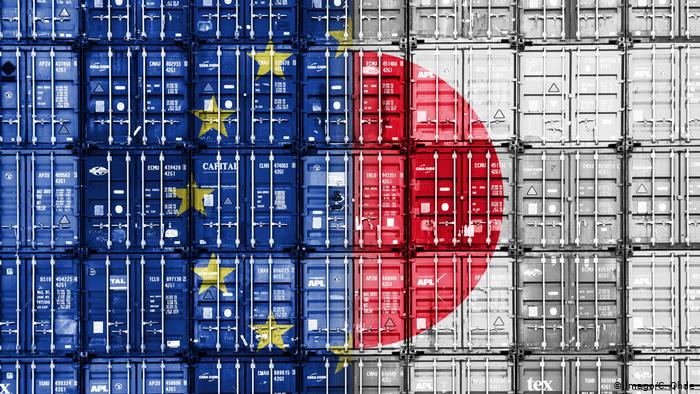
El tratado supone una oportunidad comercial y de inversión para España en el país nipón.
“Este viernes ha entrado en vigor el que seria el mayor tratado comercial bilateral negociado por la Union Europea, el tratado de libre comercio Japón-UE, un pacto que supone acabar de forma transitoria en un plazo de 15 años con la amplia mayoría de aranceles entre ambas potencias y que permitirá ahorrar a los exportadores europeos alrededor de 1.000 millones de euros en aduanas” (Ledo, 2019).
“La consejera económica y comercial de España en Japón, Coriseo Gonzalez-Izquierdo, califico este acuerdo como «el mas ambicioso que se ha firmado nunca», sobre todo en el sector agroalimentario, pero también en otros como el cuero, los servicios financieros, el transporte y los productos industriales, dijo. «No existe ningún sector que se vaya a ver perjudicado», añadió. El primer beneficiado sera el vino, que a partir de este viernes dejará de tener un 15% de aranceles a tener cero, algo que «ya se está empezando a notar en el mercado, según Gonzalez-Izquierdo.” (Ledo, 2019).
Con los derechos de la propiedad seguros, impuestos relativamente bajos y una menor regulación gubernamental del comercio, las personas con espíritu emprendedor pueden arriesgarse a fundar y dirigir empresa. El libre comercio permite que los ahorros se inviertan en la industria para mejorar su rentabilidad. Las inversiones de capital en nuevas y mejores formas de maquinaria requerían más mano de obra humana para manejarla y producir la creciente cantidad y tipos de productos. A medida que aumenta los ingresos de un número creciente de personas, la necesidad de cualificación y formación anima a estos trabajadores a mejorar sus capacidades laborales. Aunque cada individuo intenta satisfacer sus propios intereses, el entorno institucional, como si fuera una mano invisible, da lugar en conjunto a la mejora material y cultural mutua y creciente de todos.
De hecho, para los economistas que estudian la sociedad, la competencia parece ser a primera vista la gran fuerza niveladora. Se podría pensar que la responsabilidad de demostrar que esto no es así recaería en sus oponentes. A lo largo de unas pocas generaciones, el capitalismo competitivo ha proporcionado a un gran número de personas una comodidad material y financiera, especialmente a las que de otro modo habrían permanecido en las profundidades de la pobreza prevalente durante miles de años y esto a sido posible porque las sociedades vienen siendo cada vez mas libres.
The free trade agreement between the EU and Japan
The treaty represents a commercial and investment opportunity for Spain in the Japanese country.
«This Friday, the largest bilateral trade agreement negotiated by the European Union, the Japan-EU Free Trade Agreement, came into force. This pact means that the vast majority of tariffs between the two powers will be abolished on a transitional basis within 15 years and will save European exporters around one billion euros in customs duties» (Ledo, 2019).
«Spain’s economic and commercial advisor in Japan, Coriseo Gonzalez-Izquierdo, described this agreement as «the most ambitious ever signed,» especially in the agri-food sector, but also in others such as leather, financial services, transport and industrial products, she said. «There is no sector that is going to be harmed,» he added. The first beneficiary will be the wine, which as of this Friday will cease to have a 15% tariff to have zero, something that «is already beginning to be noticed in the market, according to Gonzalez-Izquierdo. (Ledo, 2019).
With secure property rights, relatively low taxes, and less government regulation of commerce, people with entrepreneurial spirit can risk starting and running businesses. Free trade allows savings to be invested in industry to improve its profitability. Capital investments in new and better forms of machinery required more human labor to operate it and produce the growing number and types of products. As the incomes of a growing number of people increase, the need for skills and training encourages these workers to improve their work skills. Although each individual tries to satisfy his or her own interests, the institutional environment, as if it were an invisible hand, results in the mutual and growing material and cultural improvement of all.
In fact, for economists who study society, competition seems at first sight to be the great levelling force. One might think that the responsibility of proving this is not so would fall on their opponents. Over a few generations, competitive capitalism has provided material and financial comfort to large numbers of people, especially those who would otherwise have remained in the depths of poverty prevalent for thousands of years, and this has been possible because societies have become increasingly free.
Ledo, S. (2019). Entra en vigor el tratado de libre comercio entre la UE y Japón. 23/11/2019, de El Periodico Sitio web: https://www.elperiodico.com/es/economia/20190201/entra-vigor-tratado-libre-comercio-entre-ue-japon-7280995
Hutt, W. (1936). Economists and the Public . US: Transaction Publishers.
Smith, A. (1776). The Wealth of Nations. London: W. Strahan and T. Cadell.

